Insulation Got Wet Before the Drywall Went Up — Will It Mold Inside the Wall?
Insulation Got Wet Before the Drywall Went Up — Will It Mold Inside the Wall?
If the insulation in your new build got wet before the drywall went up, it can grow mold inside the wall — especially fiberglass, which soaks up water, holds it, and dries slowly. Wet building materials can begin growing mold in as little as 24 to 48 hours, so the real question isn’t whether wet insulation can mold, it’s whether it dried out fast enough before the drywall sealed it in. Once that wall is closed, the moisture and anything growing on it are hidden from view.
This is a real and reasonable worry on a Lowcountry build. Between summer thunderstorms in Bluffton and Okatie, high humidity off Hilton Head Island, and tight framing schedules, insulation sometimes goes into walls that got rained on — or that never fully dried. The window between wet insulation and closed drywall is exactly the moment to catch this. Here’s what actually happens, and how to know your walls went in dry.
Does wet insulation actually grow mold?
Yes — but with an important nuance. Fiberglass and mineral wool aren’t food for mold themselves; they’re inorganic. What mold feeds on is the dust, paper facing, wood framing, and drywall backing that sit right against wet insulation. When insulation stays damp, it keeps all of that surrounding organic material damp too, and that’s where mold takes hold. Fiberglass is especially troublesome because it traps water and doesn’t release it quickly, so a wall can look closed and finished while staying wet inside for days.
The deciding factor is time-while-wet. Guidance from restoration pros and the U.S. Department of Energy is consistent: if fiberglass insulation stays wet, it should be dried fast or replaced, because staying damp for 24 to 48 hours invites mold. Insulation that got a light rain and was thoroughly dried before drywall is usually fine. Insulation that was soaked, or closed up still damp, is the situation worth taking seriously.
The pre-drywall window is the moment that matters
Insulation is one of the last things installed before drywall closes the walls for good. That makes the days right before drywall the single most important moisture window in the whole build. Once the drywall is hung, taped, and painted, any moisture sealed inside is out of sight — you can’t see it, and neither can your builder without cutting back in. If you have any reason to think insulation went in wet, the ideal time to raise it is before that drywall goes up, while the cavities are still open and easy to check or dry.
If the drywall is already up, don’t panic — you’ve just moved from “look” to “verify.” A musty smell in a specific room, insulation you personally saw rained on, or a build that sat open through a wet stretch are all fair reasons to confirm the walls are dry rather than assume. This is an ordinary thing to ask about, and it’s far cheaper to check now than to chase a mystery smell after you’ve moved in.
Insulation goes in right before the wall closes. That’s the last easy look you get — and the best time to be sure it went in dry.
How to confirm your walls went in dry
Before drywall, a builder or inspector can spot-check with a moisture meter and simply look at and feel the insulation. After drywall, the honest challenge is that mold behind a finished wall gives off almost nothing you’d notice early — maybe a faint musty note near an outlet or along the floor, often nothing at all. That’s the frustrating gap on a new build: the wall looks perfect, and you can’t see what’s behind it.
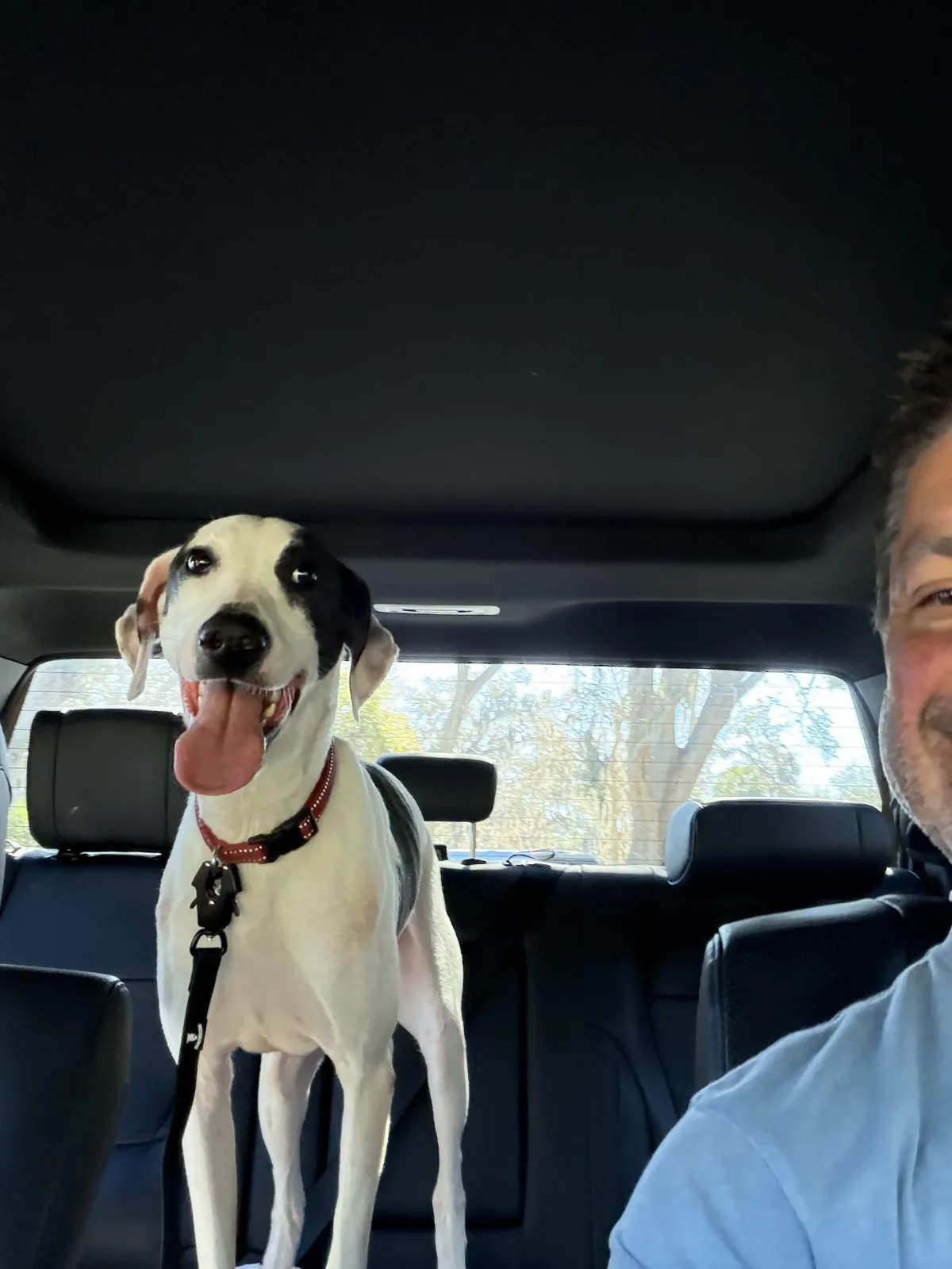
That’s exactly where a trained mold-detection dog like Cowboy helps. Mold gives off microbial volatile organic compounds — that musty scent — and Cowboy is trained to them at concentrations as fine as parts per trillion, far below what a person can smell. He screens the living spaces of your new home room by room and can tell you whether wet insulation left a hidden mold problem behind the drywall — without anyone cutting open a fresh, finished wall to find out. Catch it before drywall if you can; and if the wall’s already closed, that’s the peace-of-mind answer Cowboy was trained to give.
Cowboy sniffs out hidden mold in living spaces, room by room. Seek. Alert. Inform. Protecting health, preserving property, and promoting peace of mind.
Book an Inspection